Ir diretamente para o conteúdo

Receba as novidades da investigação CASK no seu e-mail. Subscrever →

CASK Research

Investigação

Terapias genéticas

«A promessa da terapia genética reside no facto de esta abordar a causa fundamental de uma doença. Mas ainda se encontra numa fase inicial. Há ainda muito espaço para inovação. Não se pode confiar na tecnologia do passado — é preciso estar constantemente a inovar.» — Rachel McMinn, PhD — Diretora Executiva e Fundadora da Neurogene

As terapias genéticas são abordagens terapêuticas que alteram o funcionamento de um gene, atacando assim a causa principal das doenças genéticas. Existem vários tipos diferentes de terapia genética.

Gene replacement

This approach adds a working version of the CASK gene into the body to compensate for the faulty one. 👉 Think of it like adding a new instruction manual when the original is damaged.

Será que funciona para as doenças CASK?

Gene replacement has been licenced for other neurological diseases like Spinal Muscular Atrophy (SMA) and AADC deficiency. For CASK disorders, getting the right "dose" will be of vital importance, delivery to the brain is difficult and immune response risks are high. A gene replacement trial for a similar disorder (STXBP1) has been halted following the death of a child in the trial. The CASK community were hopeful that the technology used in this gene therapy would be one it could harness for its own clinical trials. The cause of the death is still unknown.
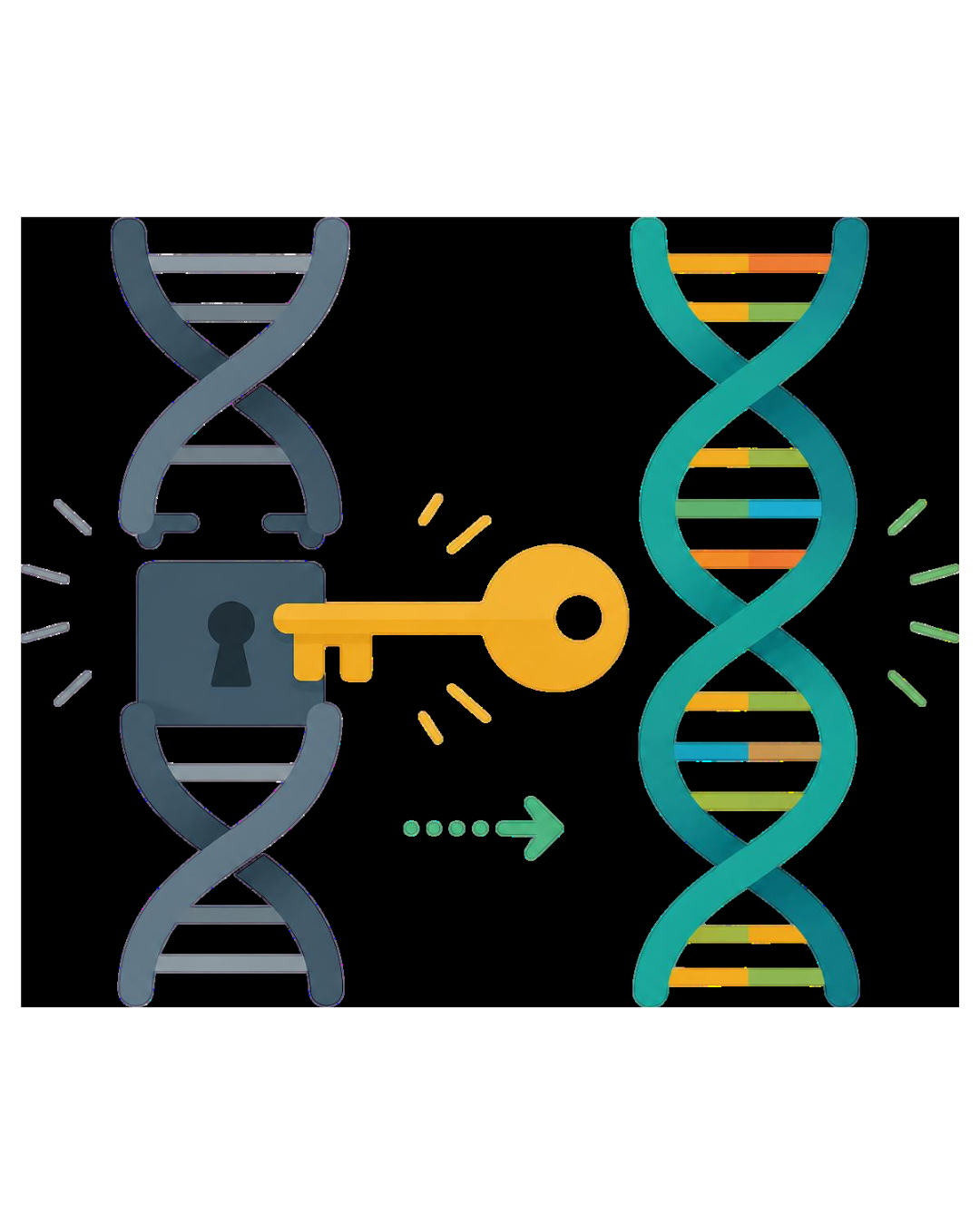
Gene replacement diagram

X-Chromosome reactivation (females only)

Girls have a "backup" copy of the CASK gene that is switched off. This approach tries to turn that healthy copy back on. 👉 Like switching the power back on to a spare system that was shut down. A very natural approach since it uses the body's natural gene and avoids adding new DNA. It may also maintain natural regulation. This research is still at an early stage and has never been licenced.

Será que funciona para as doenças CASK?

It could be a viable therapeutic but only for females, since males do not have a "back-up" copy of the CASK gene to switch back on. Early work in CASK has shown that it is possible to switch back on the silenced CASK gene in human cells. We are awaiting work to begin on mouse models.

Read about our teams working on gene therapies →

X-Chromosome reactivation (females only) diagram

Base editing

This technique corrects tiny spelling mistakes in the DNA. 👉 Like fixing a single typo in a long document. Very precise; no extra DNA is added (reducing risk). Delivery to the brain remains challenging and it is still experimental.

Será que funciona para as doenças CASK?

Works best for correcting single-letter DNA changes (point mutations) rather than larger deletions, insertions, or complex rearrangements — making it not applicable to many in our community.

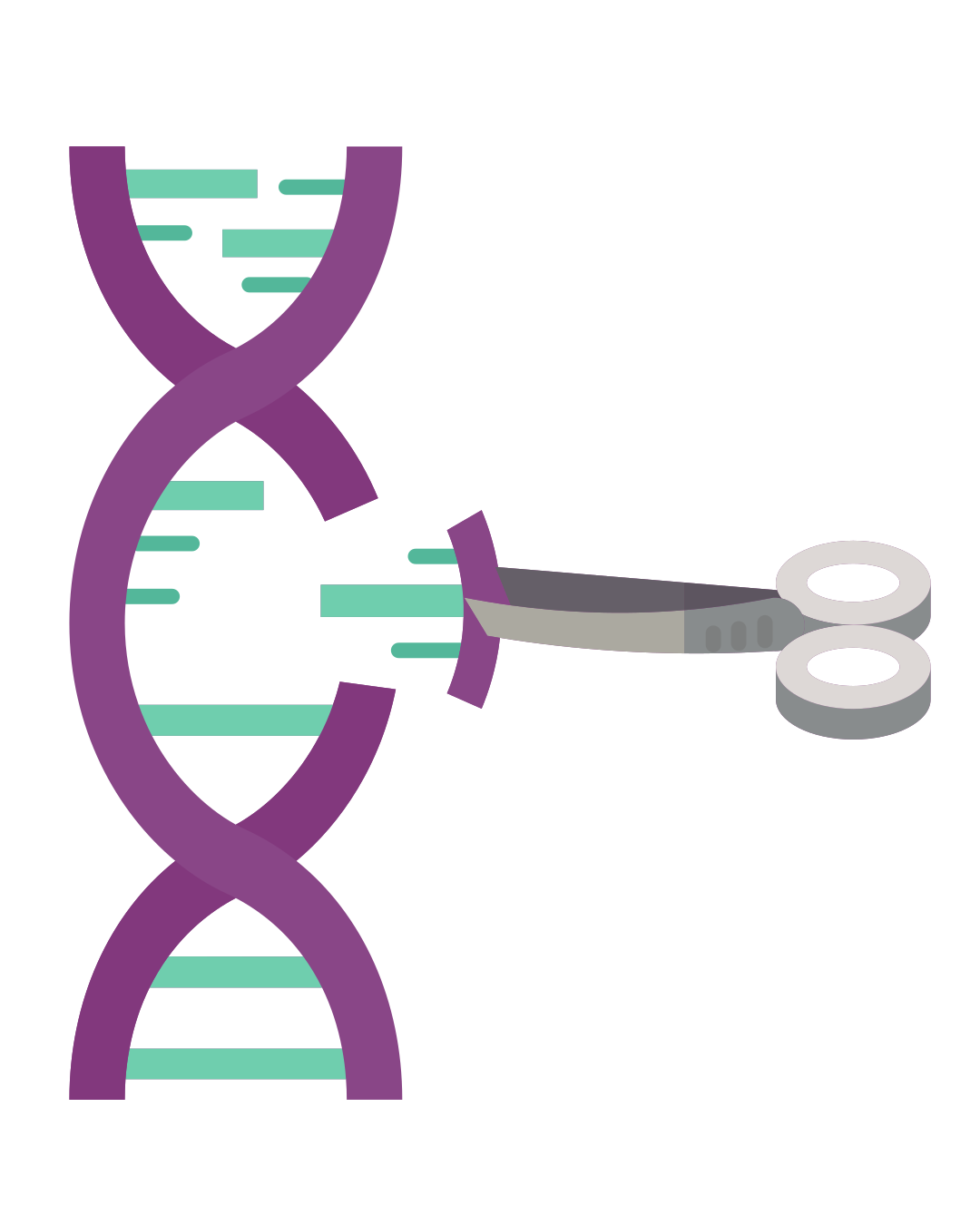
Base editing diagram

Prime editing

A more advanced version of gene editing that can fix a wider range of DNA errors. 👉 Like using "find and replace" to fix whole sections of text. Very flexible and can correct more complex mutations, but still at an early stage of development and appears complex to deliver.

Será que funciona para as doenças CASK?

Theoretically it could work for all types of CASK mutations. However it is still being developed and needs a lot of work before it can reach clinical trials in humans.

Prime editing diagram

RNA editing

Instead of changing the DNA, this fixes the message it sends to make the protein. 👉 Like correcting a photocopy of instructions that will be used to make the product, rather than the original document stuck inside the library. Potentially much safer than tinkering with DNA, but the effect is temporary so treatment may need repeating.

Será que funciona para as doenças CASK?

Would only work for some specific mutations and comes with delivery challenges (getting it into the right cells). Very early in development.

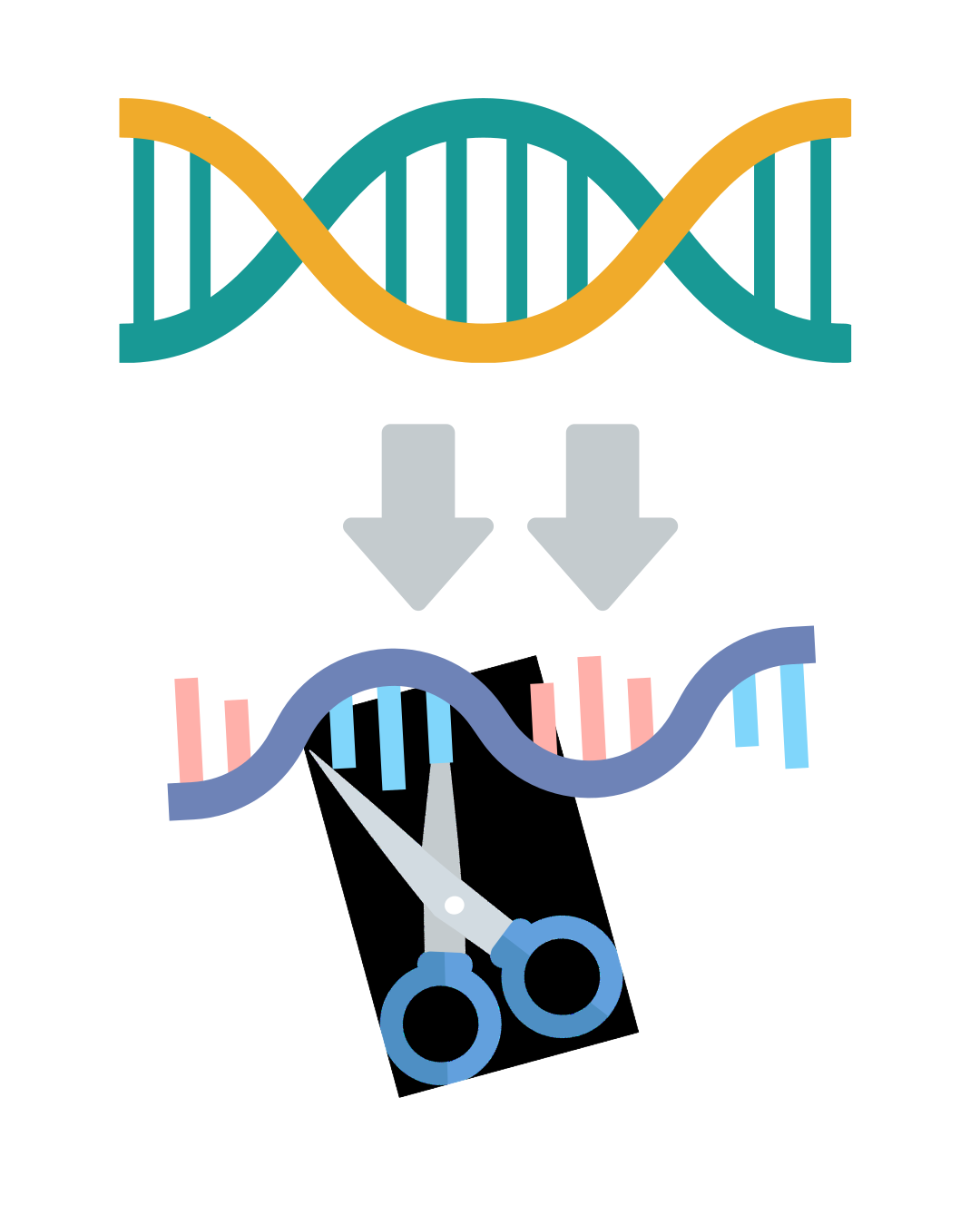
RNA editing diagram

RNA trans-splicing

Replaces faulty parts of the gene's message (the RNA) with healthy sections. 👉 Like cutting out a damaged paragraph and inserting a correct version. Like RNA editing it avoids permanent gene changes but comes with the same disadvantages. Still in very early stages.

Será que funciona para as doenças CASK?

A clever approach, but difficult for CASK disorders. CASK mutations are spread across the gene, so multiple therapies would have to be created. Works best for inherited disorders where many patients have the same mutation (e.g. sickle cell anaemia).

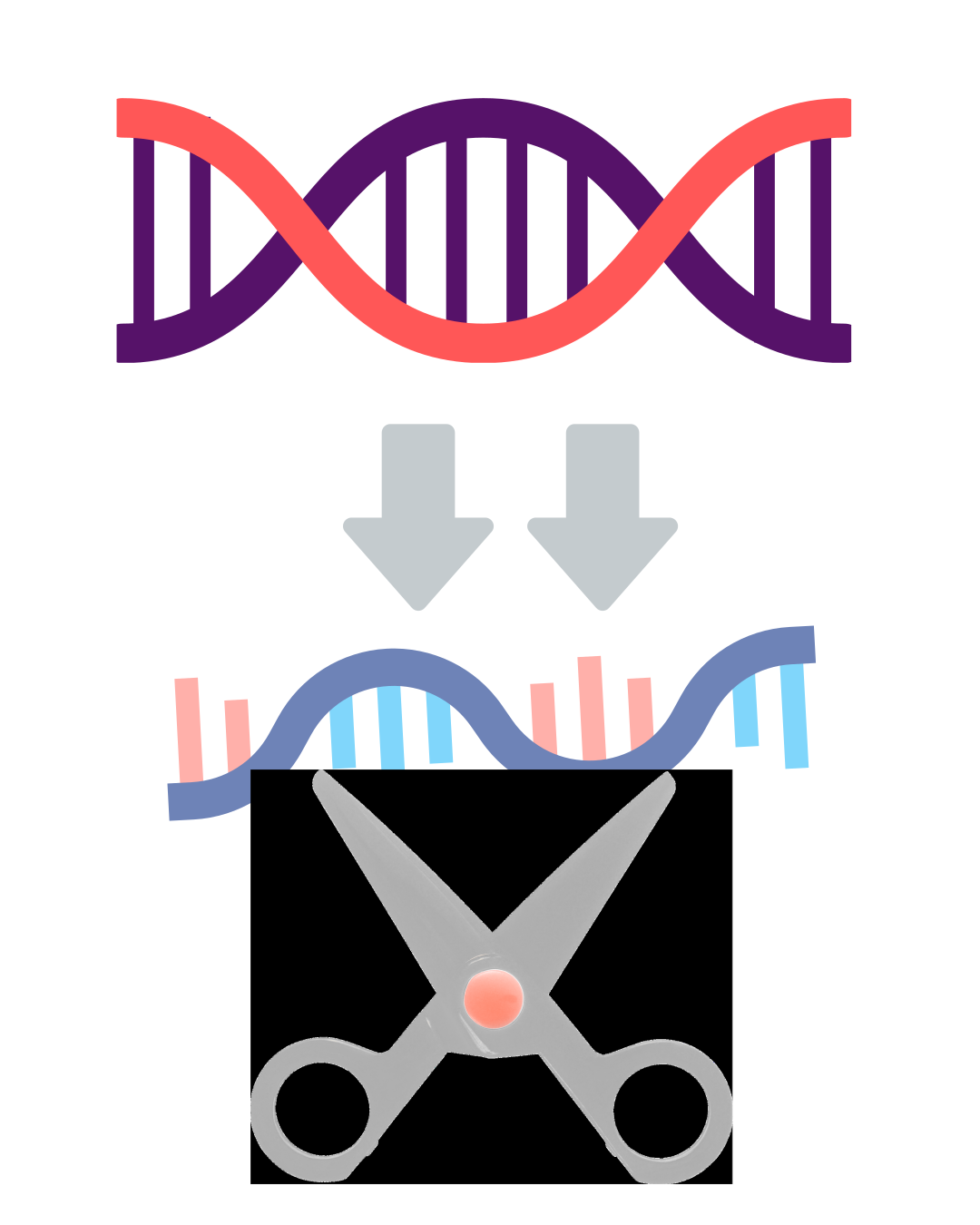
RNA trans-splicing diagram

Pesquisar no site